
Blog
The Ultimate Guide to Choosing the Perfect Massage Chair

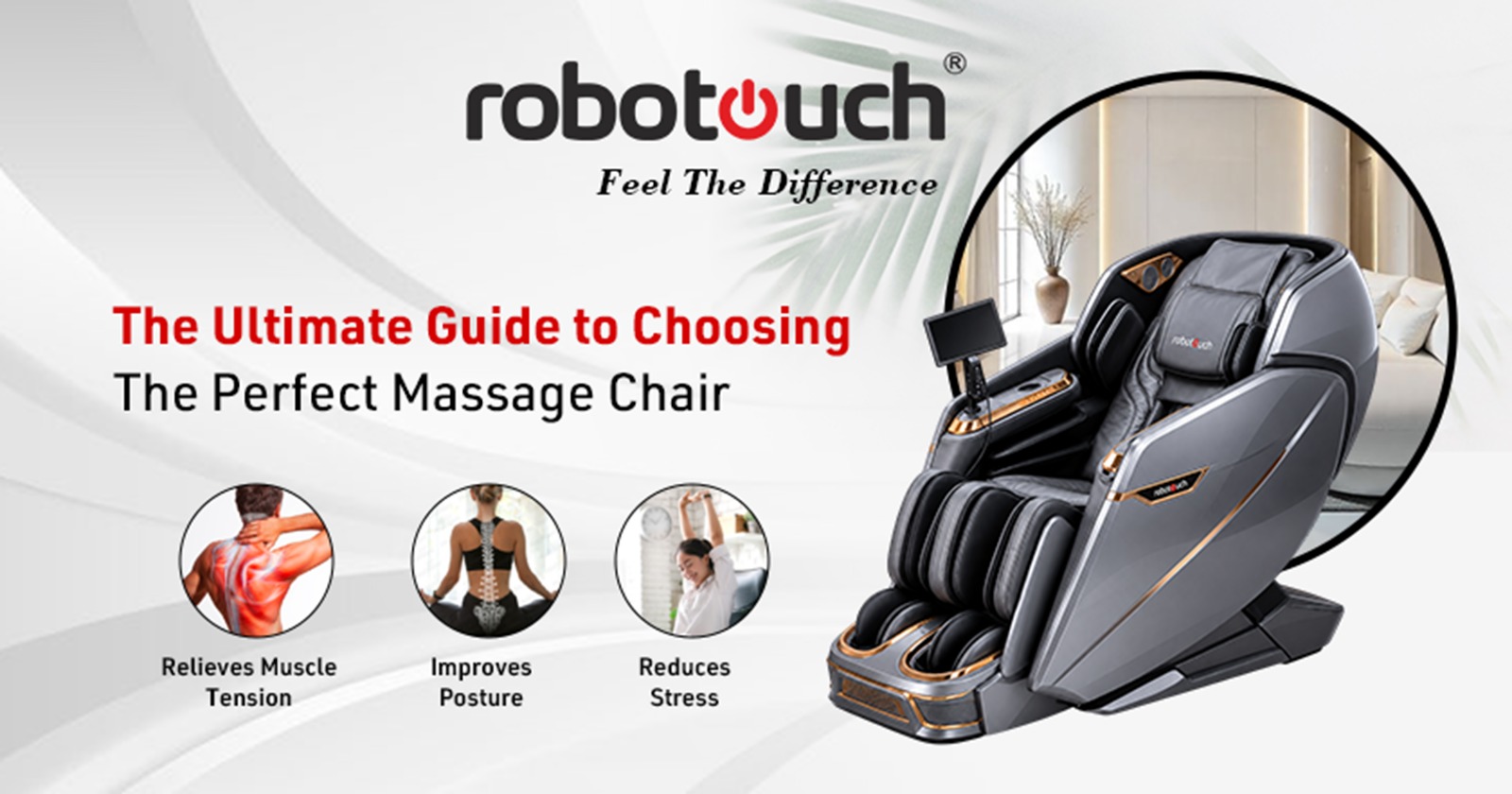
Let’s be honest—after a long day at work, dealing with traffic, sitting at a desk, or simply being on your feet all day, there are times when all you want is a good massage.
But going to a spa every time your back or shoulders feel tight isn’t always practical. That’s where a massage chair can make a real difference. You can sit down, press a button, and enjoy a relaxing massage without leaving your home.
The tricky part? Choosing the right massage chair.
There are dozens of models on the market, and they come with all kinds of features—zero gravity, heat therapy, foot rollers, body scanning, airbags, different massage techniques, and much more. It can quickly become confusing.
So, how do you know which one is actually worth buying?
This guide will help you understand what to look for when choosing the perfect massage chair without getting lost in technical jargon.
First, Ask Yourself: Why Do You Want a Massage Chair?
Before looking at brands, prices, or fancy features, start with the most important question: What do you actually want from your massage chair?
Maybe you simply want something comfortable to relax in after work. Perhaps your shoulders and neck often feel tense because you spend hours at a computer. Or maybe you want a full-body massage experience that includes your back, arms, legs, and feet.
Your answer will make the buying process much easier.
For example, if you mainly want relaxation, you probably don’t need the most expensive chair available. A comfortable chair with several massage programs and adjustable intensity may be all you need.
On the other hand, if you want a more immersive full-body experience, it makes sense to look for advanced features and broader massage coverage.
Understand the Different Massage Techniques
One of the first things you’ll notice when comparing massage chairs is the number of massage techniques they offer.
But what do those terms actually mean?
Kneading
Kneading is designed to mimic the feeling of hands working through your muscles. It’s a popular option for the shoulders, upper back, and lower back.
If you enjoy a traditional hands-on massage, kneading is likely to be one of your favorite settings.
Tapping
Tapping uses quick, rhythmic movements. It tends to feel more energetic than a slow kneading massage and can be a nice option when you want something invigorating.
Rolling
Rolling is generally smoother and more consistent. The rollers move along the back, creating a continuous massage sensation.
Shiatsu-Style Massage
Many massage chairs include programs inspired by Shiatsu massage. These typically use pressure and rhythmic movements to create a deeper, more focused experience.
Air Compression
Airbags inflate and release around areas such as your arms, shoulders, hips, calves, and feet.
It’s a completely different sensation from rollers, but many people enjoy it—especially for the legs and feet.
Stretching
Some advanced chairs can gently recline and move different parts of your body to create a stretching-style experience.
If you like the feeling of stretching after sitting for hours, this can be a useful feature to have.
Pay Attention to the Roller Track
Here’s where massage chair shopping can get a little technical, but don’t worry—it’s easier than it sounds.
You’ll often see terms such as S-track, L-track, and S/L-track.
An S-track generally follows the natural curve of your spine and focuses on the back.
An L-track continues farther down from the back toward the glutes and upper thighs, giving you a wider massage area.
An S/L-track combines the two approaches.
If you want more extensive coverage beyond your back, an L-track or S/L-track chair may be worth considering.
Body Scanning Can Make a Difference
Imagine sitting in a massage chair and having the rollers automatically adjust to your body.
That’s basically what body scanning technology is designed to do.
The chair uses sensors to estimate things such as your shoulder position and body proportions, then adjusts the massage accordingly.
This can be particularly useful if more than one person will be using the chair. Instead of everyone receiving exactly the same massage, the chair can make adjustments based on the user.
Is Zero Gravity Worth It?
You’ve probably seen the term zero gravity mentioned in massage chair advertisements.
The name sounds impressive, but what does it actually mean?
The chair reclines your body into a position designed to distribute your weight more evenly. Your legs may also be elevated, creating a relaxed, almost weightless feeling.
For many people, this is one of the most comfortable positions in the chair.
Is it essential? Not necessarily.
But if you love reclining while relaxing, zero gravity can be a very nice feature.
Don’t Forget About Heat
Heat and massage are a pretty natural combination.
Some massage chairs include heating elements, usually around the lower back or other parts of the body. The warmth can make the massage feel even more relaxing.
If heat is important to you, check whether the chair allows you to turn it on and off separately from the massage function.
And remember: heat is a bonus, not the main reason to buy a massage chair. A chair with excellent massage mechanics and no heat can still be a better choice than a chair with heat but poor massage quality.
Give Your Feet Some Attention
We often focus on back and shoulder massage, but don’t forget about your feet.
If you’re on your feet for most of the day, foot and calf massage can quickly become one of your favorite features.
Depending on the chair, you might find:
- Foot rollers
- Calf airbags
- Foot compression
- Calf massage
- Dedicated foot massage programs
Some chairs offer a simple compression massage, while others combine rollers and airbags for a more detailed experience.
If foot massage is high on your list, don’t treat it as an afterthought when comparing chairs.
Make Sure the Chair Actually Fits Your Home
This sounds obvious, but it’s one of the easiest things to overlook.
Massage chairs are big.
And when they recline, they can take up even more space.
Before buying one, measure the area where you plan to put it. Don’t forget to measure your doorways, hallways, stairs, and any other areas the chair will need to pass through during delivery.
Also check how much space the chair needs behind it when reclining.
If you live in a smaller apartment or have limited space, look for a space-saving or wall-hugger design.
Trust us—finding out that your brand-new massage chair doesn’t fit through the doorway is not the kind of surprise you want.
Think About Your Height and Body Size
A massage chair isn’t one-size-fits-all.
A chair that feels amazing for one person might feel uncomfortable for another.
Check the manufacturer’s recommended height and weight range before buying. If you can try the chair in person, even better.
Pay attention to whether:
- Your head rests comfortably
- The shoulder rollers line up correctly
- Your back feels properly supported
- Your feet reach the footrest comfortably
- The seat feels wide enough
- The rollers reach the areas you want massaged
A chair can have every feature imaginable, but if it doesn’t fit your body, you probably won’t enjoy using it.
Don’t Get Carried Away by the Feature List
This is probably one of the biggest traps when shopping for a massage chair.
You might find one chair with 30 massage programs and another with 10. It’s tempting to assume the first one must be better.
Not necessarily.
Think about how you actually use a massage chair.
Would you really use 30 programs? Or would you probably end up using your favorite two or three settings most of the time?
Instead of counting features, focus on useful features.
Look for options such as:
- Adjustable massage intensity
- Adjustable massage areas
- Different massage techniques
- Heat control
- Foot and calf massage
- Body scanning
- Zero gravity
- Easy-to-use controls
Choose the features that you’ll actually appreciate.
Set a Budget Before You Start Shopping
Massage chairs can range from relatively affordable to extremely expensive.
That’s why it’s a good idea to decide on a budget before you start comparing models.
You don’t necessarily need the most expensive chair to get a great experience.
An entry-level model may be perfectly suitable if you just want basic massage functions.
A mid-range chair can offer a nice balance between price and features.
Premium models may include more advanced technology, better customization, more massage coverage, and additional comfort features.
The important thing is to spend your money on the features that matter to you—not simply on a long list of specifications.
Check the Warranty
Here’s something that’s easy to ignore when you’re excited about buying a new chair: the warranty.
Don’t skip it.
A massage chair contains moving parts, electronics, motors, rollers, airbags, and other components. If something goes wrong, you’ll want to know exactly what the manufacturer will cover.
Before buying, check:
- How long the warranty lasts
- What’s included
- Whether labor is covered
- How repairs are handled
- Whether replacement parts are available
- Whether in-home service is offered
Good customer support can be just as important as the chair itself.
Common Mistakes to Avoid
Before you make your purchase, keep these mistakes in mind.
Buying the Cheapest Chair
Saving money is great, but buying a chair solely because it’s cheap can lead to disappointment.
Buying the Most Expensive Chair
The opposite is also true. A higher price doesn’t automatically mean a better massage for you.
Focusing Too Much on Features
More features don’t necessarily mean a better experience.
Forgetting About Comfort
Try to think beyond the massage itself. Would you actually enjoy sitting in the chair regularly?
Ignoring the Warranty
A good warranty can save you a lot of stress later.
So, Which Massage Chair Is Right for You?
There isn’t one massage chair that’s perfect for everyone.
The best chair is the one that fits your body, your home, your preferences, and your budget.
If you’re mainly looking for relaxation, focus on comfort and basic massage functions.
If you want a full-body experience, look for extended roller tracks, foot and calf massage, airbags, and multiple massage programs.
If you’re willing to spend more, advanced features such as body scanning, zero gravity, and greater customization may be worth considering.
Most importantly, don’t let a long list of features make the decision for you.
Think about how you want to feel when you sit down in the chair at the end of the day. Then work backward and find the features that can give you that experience.
Final Thoughts
Buying a massage chair is a fairly big decision, so it’s worth taking your time.
Start by figuring out what you want from the chair. Then consider the massage techniques, roller track, body scanning, comfort, heat, foot massage, size, customization, budget, and warranty.
And if possible, try before you buy.
At the end of the day, the perfect massage chair isn’t necessarily the one with the highest price or the most features. It’s the one you’ll genuinely look forward to using.
After all, what’s the point of having a massage chair at home if you don’t enjoy sitting in it?
Frequently Asked Questions About Choosing a Massage Chair
1. How do I choose the best massage chair?
Start by thinking about your main needs, such as relaxation, full-body massage, back and shoulder relief, or foot massage. Then compare the chair’s massage techniques, roller track, comfort, size, features, warranty, and price. The best massage chair is the one that fits your body, lifestyle, and budget.
2. How much does a good massage chair cost?
The price of a massage chair can vary widely depending on its features and technology. Basic models are generally more affordable, while premium chairs with advanced massage mechanisms, body scanning, zero gravity, heat, and full-body features can cost significantly more. Set a budget and focus on the features you’ll actually use.
3. Is buying a massage chair worth it?
For people who enjoy regular massages and want the convenience of using one at home, a massage chair can be a worthwhile investment. It eliminates the need to book appointments and allows you to relax whenever it suits your schedule.
4. What is the difference between an S-track and an L-track massage chair?
An S-track follows the natural curve of your spine and mainly focuses on the back. An L-track extends farther down from the back toward the glutes and upper thighs, providing a larger massage area. An S/L-track combines both designs.
5. Are massage chairs suitable for everyone?
Massage chairs are designed for general relaxation and massage, but they may not be suitable for everyone. People with certain medical conditions, injuries, or other health concerns should speak with a qualified healthcare professional before using one.
6. What features should I look for in a massage chair?
Some useful features include adjustable massage intensity, multiple massage techniques, full-body coverage, foot and calf massage, heat, body scanning, zero-gravity positioning, and easy-to-use controls. Choose features based on your personal preferences rather than simply choosing the chair with the longest feature list.
7. Is zero gravity important in a massage chair?
Zero gravity isn’t essential, but many people enjoy it because it places the body in a reclined position that can feel comfortable and relaxing. If you enjoy reclining while receiving a massage, this feature may be worth considering.
8. How much space does a massage chair need?
Massage chairs can take up quite a bit of space, especially when fully reclined. Before purchasing, measure your room, doorways, hallways, and the clearance required behind the chair. A space-saving or wall-hugger model may be a better choice for smaller rooms.
9. How long should you use a massage chair?
The ideal session length depends on the chair’s instructions and your personal comfort. Many people prefer shorter sessions rather than using the chair continuously for a long period. Always follow the manufacturer’s recommendations and stop if you experience discomfort.
10. What should I check before buying a massage chair?
Before buying, check the chair’s size, weight capacity, recommended user height, massage techniques, roller track, customization options, warranty, customer support, and return policy. If possible, try the chair before purchasing to make sure it feels comfortable and suits your needs.